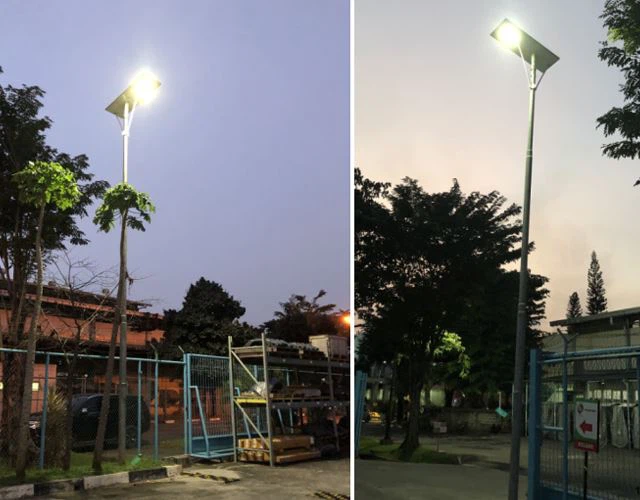
Outdoor lighting does more than brighten our surroundings — it shapes how we move, feel, and stay safe after dark.
Solar street lights have become a simple, reliable way to keep streets, driveways, and gardens illuminated without high electricity bills. Whether you’re planning lighting for a neighborhood, farm road, or backyard, understanding how each component works helps you get better results and avoid costly mistakes.
Let’s walk through what really matters when buying a solar street light — not just specs, but real-world performance.
Factors to Consider When Buying a Solar Street Light
1. Bulb Type and Size
Your choice of bulb decides how bright and efficient your lighting will be.
From experience, LED bulbs perform best — they last longer, use less energy, and stay cool even in hot weather. I’ve replaced countless CFL units that faded after a single rainy season, while LEDs kept shining strong.
| Bulb Type | Efficiency | Lifespan | Heat Output |
|---|---|---|---|
| Incandescent | Low | Short | High |
| CFL | Medium | Long | Medium |
| LED | High | Longest | Low |
Quick tip: small bulbs (C3–C5) are great for decorative use, but if you’re lighting a driveway or public road, go with larger C7–C9 LEDs for real visibility.
2. Brightness and Control Modes
Brightness defines how well your light serves its purpose — not how fancy it looks.
Pick a lumen range that matches your space: a narrow pathway doesn’t need the same light level as a community road.
| Application | Recommended Lumens |
|---|---|
| Stair lights | 12–100 lm |
| Garden path | 50–300 lm |
| Courtyard | 1000–2000 lm |
| Street lighting | 5000+ lm |
Lighting modes also change how your system behaves:
- Motion Sensor Mode: full brightness when movement is detected, dim when idle — great for quiet streets.
- Dimming Mode: softer light for parks or residential yards.
- Timer Mode: set automatic schedules for consistent illumination.
A few smart lights even let you adjust brightness from a phone — handy if you manage multiple units.
3. Solar Panel Type
Your panel is the heart of the system — it converts sunlight into power.
If you want consistent charging, especially in cloudy or dusty regions, monocrystalline panels are usually the most reliable. They’re pricier but handle low light conditions better.
| Panel Type | Efficiency | Cost | Ideal Use |
|---|---|---|---|
| Monocrystalline | High | Expensive | Long-term reliability |
| Polycrystalline | Medium | Moderate | Balanced performance |
| Thin-Film | Low | Low | Low-light backup use |
I’ve seen rural schools in Tanzania use monocrystalline panels and still get full-night lighting through the rainy months — worth every extra dollar.
4. Battery Type and Capacity
Batteries decide how long your lights last at night — and how many cloudy days they can handle.
For most installations, lithium-ion or LiFePO₄ batteries are the best mix of fast charging and long lifespan. Lead-acid batteries can work, but they’re heavy and need regular maintenance.
| Battery Type | Lifespan | Charging Speed | Maintenance |
|---|---|---|---|
| Lithium-ion | Long | Fast | Low |
| Lead-Acid | Medium | Slow | High |
| NiMH | Short | Medium | Medium |
💡 Pro tip: In tropical climates, lithium batteries hold charge better through humidity and temperature swings.
5. Durability and Waterproof Rating
Outdoor lights live a tough life — rain, dust, heat, and sometimes monkeys.
Check the IP rating (Ingress Protection). For long-term outdoor reliability, look for at least IP65 or higher, which handles heavy rain and dust.
| Rating | Protection | Suitable For |
|---|---|---|
| IPX4 | Light rain | Porch or sheltered use |
| IPX6 | Heavy rain | Outdoor gardens, walls |
| IPX7+ | Full immersion | Flood-prone areas |
Also, materials matter: stainless steel and aluminum poles resist corrosion much better than plastic frames.
6. Extra Features Worth Considering
It’s the small things that make your solar light smarter and easier to live with.
- Motion sensors improve safety and save battery.
- Timers and dimmers let you control ambiance.
- Smart connectivity allows phone-based adjustments.
- Color effects make pathways or gardens more decorative.
If you live in a quiet suburb, motion mode is gold — lights stay dim until a car or person passes, saving power without making the street look dark.
7. Budget and Support
Don’t assume the priciest model is automatically the best.
Balance features and reliability within your budget. From my experience, mid-range models often deliver the best value — durable, bright, and with decent battery backup.
| Price Range | Ideal Use |
|---|---|
| Budget | Decorative or temporary lighting |
| Mid-Range | Daily residential use |
| High-End | Municipal or commercial setups |
And always check the warranty. A reliable brand should offer at least a 1-year guarantee, and preferably direct customer support. It’s not just about repair — it shows the company stands behind its product.
FAQs
How bright should my solar street light be?
For pathways, 1000–2000 lumens is enough. For streets or wide driveways, go for 5000 lumens or higher.
What wattage is suitable for home or public lighting?
Residential setups usually need 20–50W equivalents, while public roads go higher, depending on spacing.
Which solar light brands are most reliable?
Look for companies with proven installations — I’ve had good results with Brightech and URPOWER. But always read recent reviews; performance can vary by region.
Conclusion
When chosen well, solar street lights don’t just save power — they make your space safer, warmer, and more welcoming.
Focus on the essentials: LED bulbs for efficiency, monocrystalline panels for durability, and lithium batteries for longevity.
Then pick brightness and modes that suit your environment, not just the label on the box. Once set up right, let the sun do the rest — it’s free, after all.